ALMA
A Journey of the Soul Through Voice, Body and Image
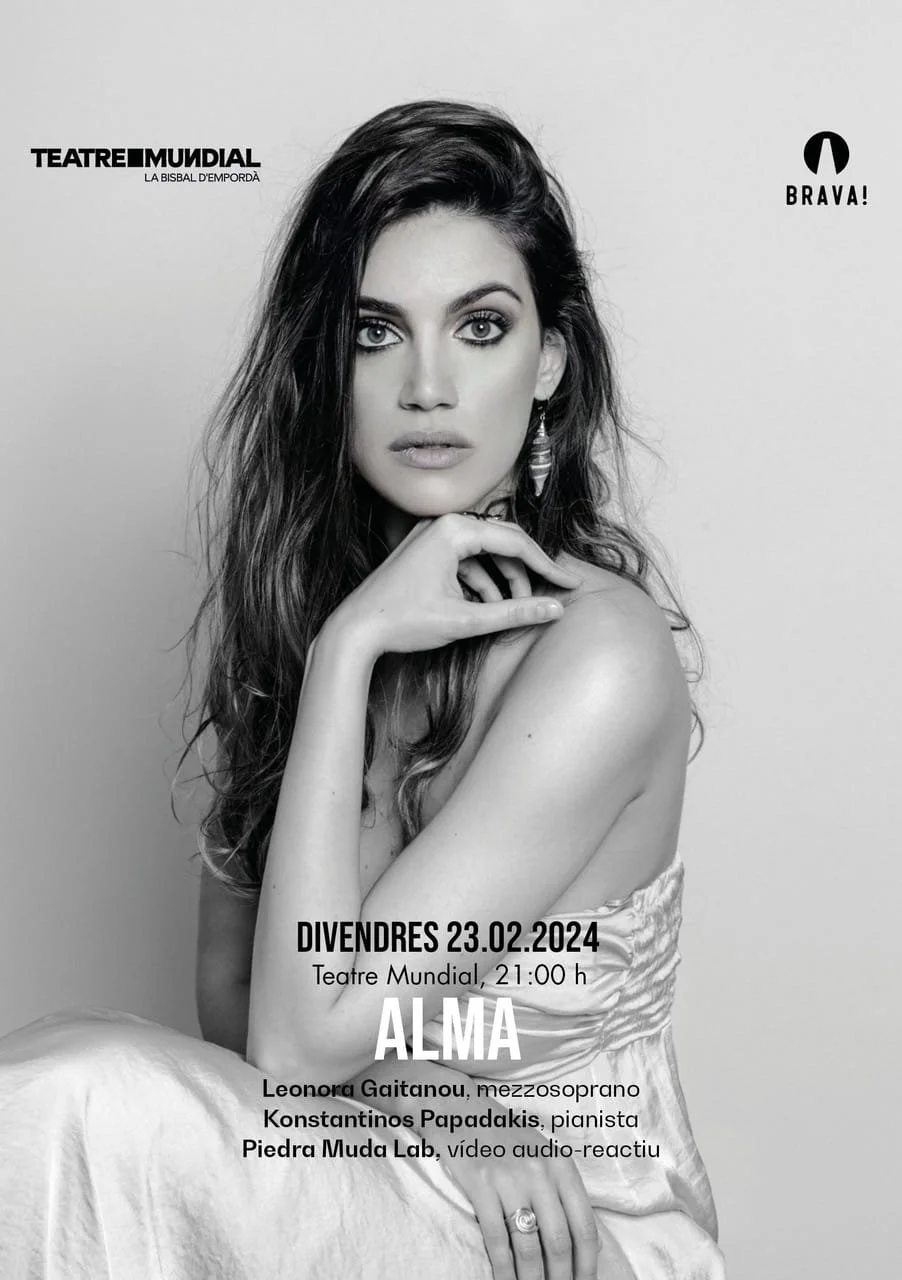
Alma was presented at Teatre Mundial in Spain in February 2024.
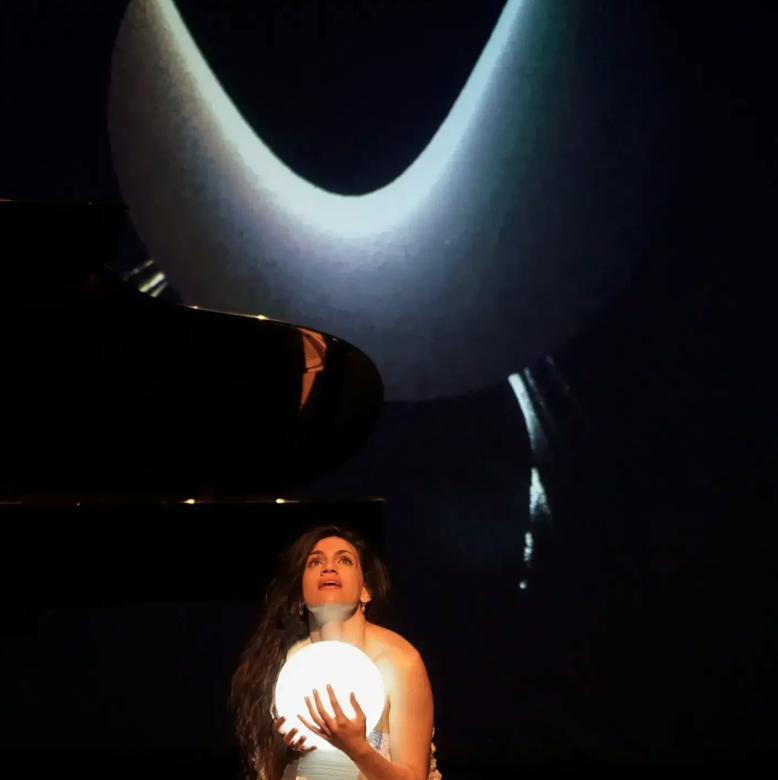
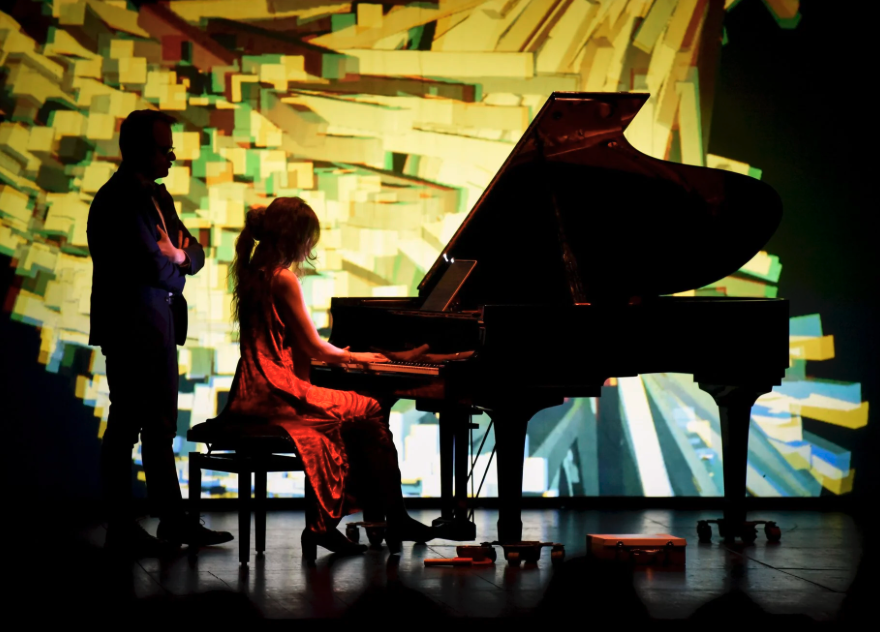
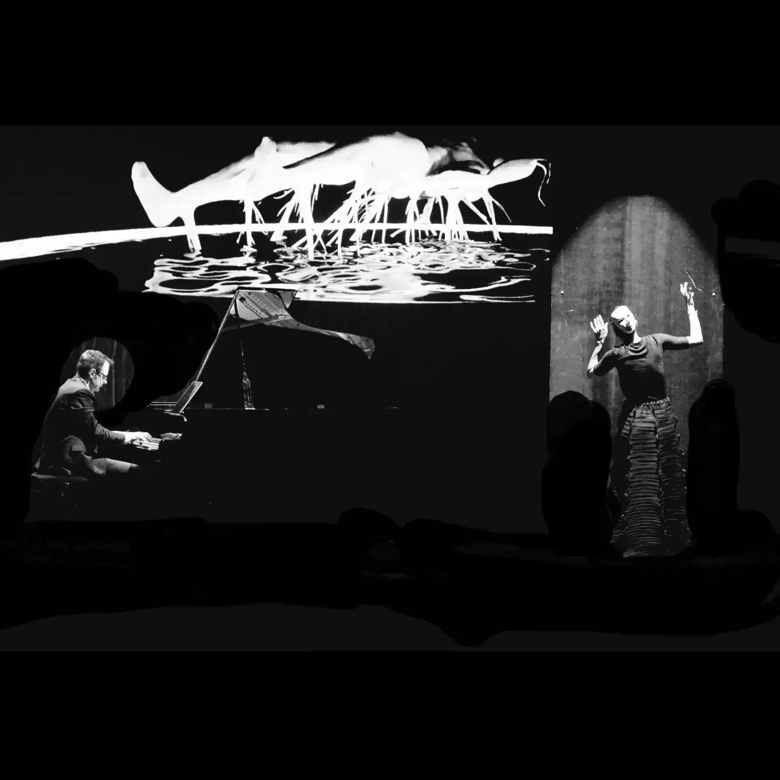
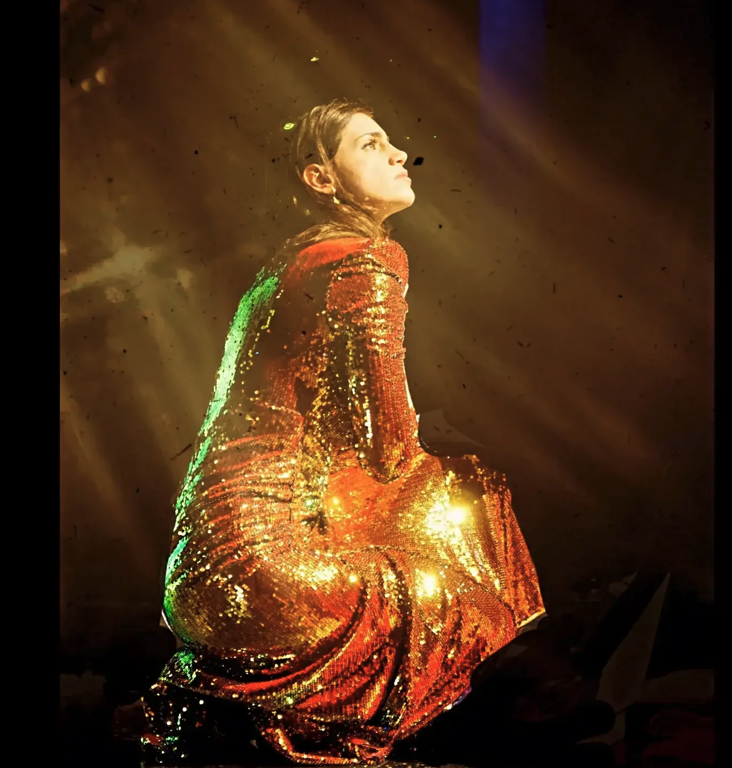
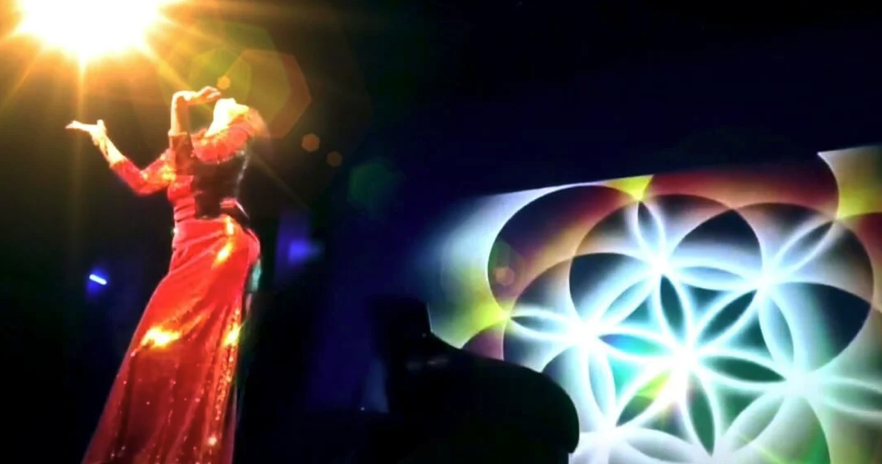
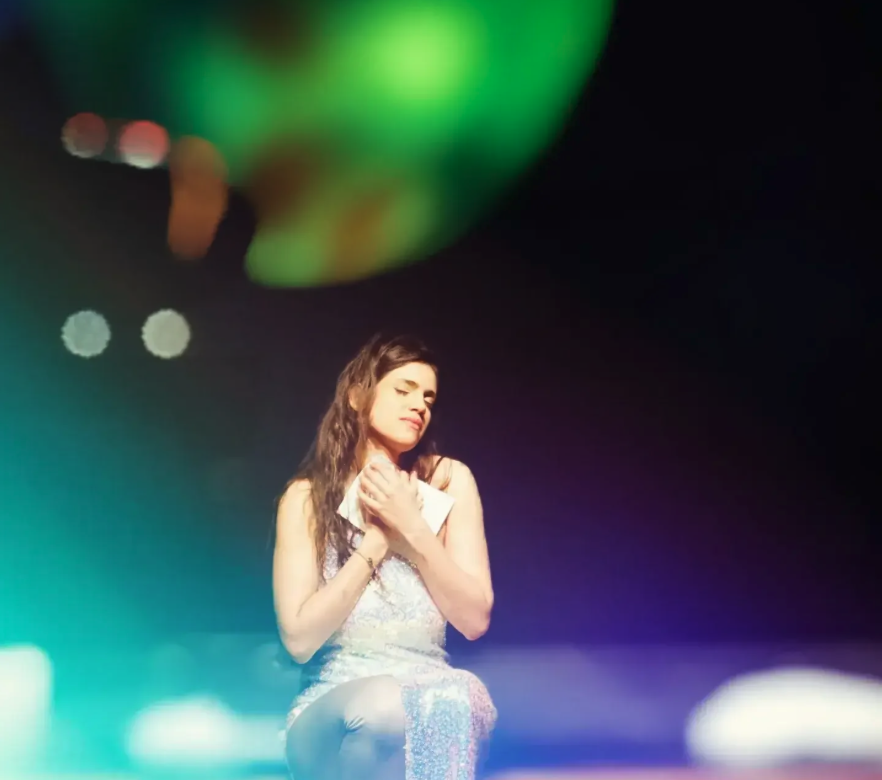
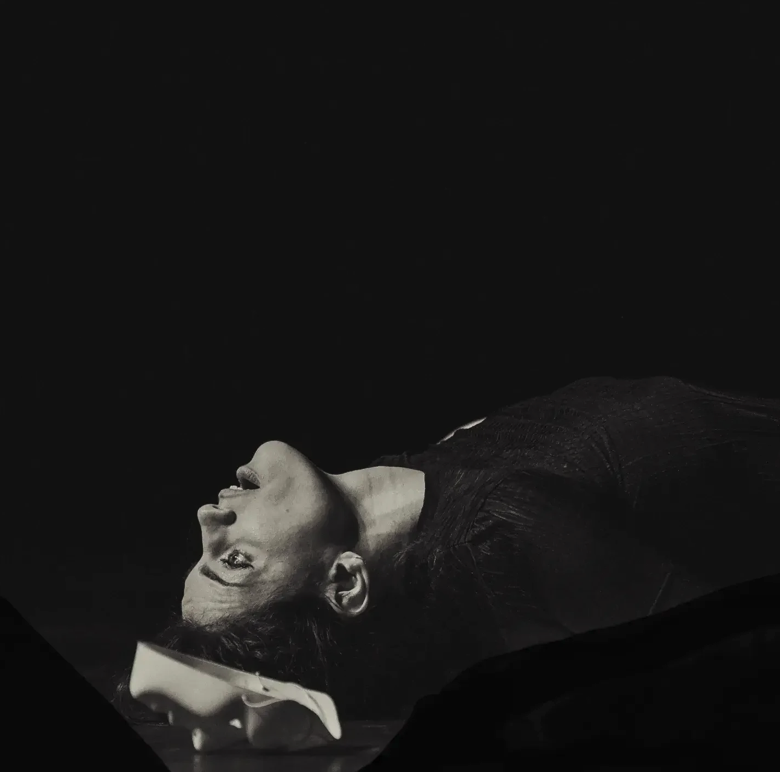
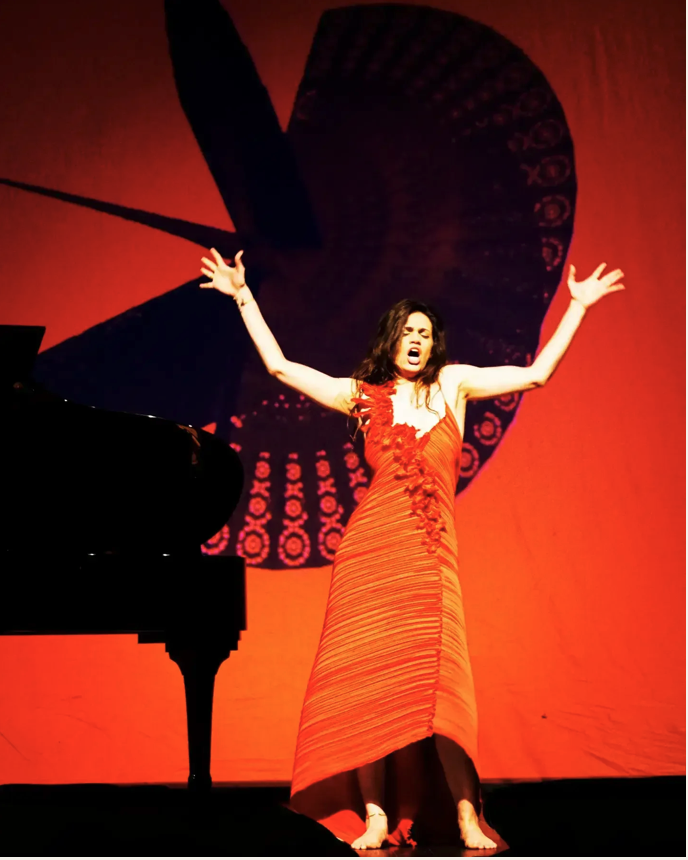
Conceived as a semi-staged recital for mezzo-soprano and piano, accompanied by real-time audio-reactive visuals, the work invites the audience on an inner journey through voice, movement, emotion and memory.
If Judith is a descent into the hidden chambers of the psyche, Alma is the journey that follows—the movement of the soul through embodiment, separation, transformation and return.
Where Judith opens the doors of what has been silenced, Alma listens for what remains beyond them: the enduring voice of the soul searching for its way home.
The body is the temple of the soul.
The eyes are its windows.
And the voice, its root.
Many Languages, One Soul
At the heart of Alma is the understanding that emotions are a language of the soul and that the human voice allows this inner language to take form.
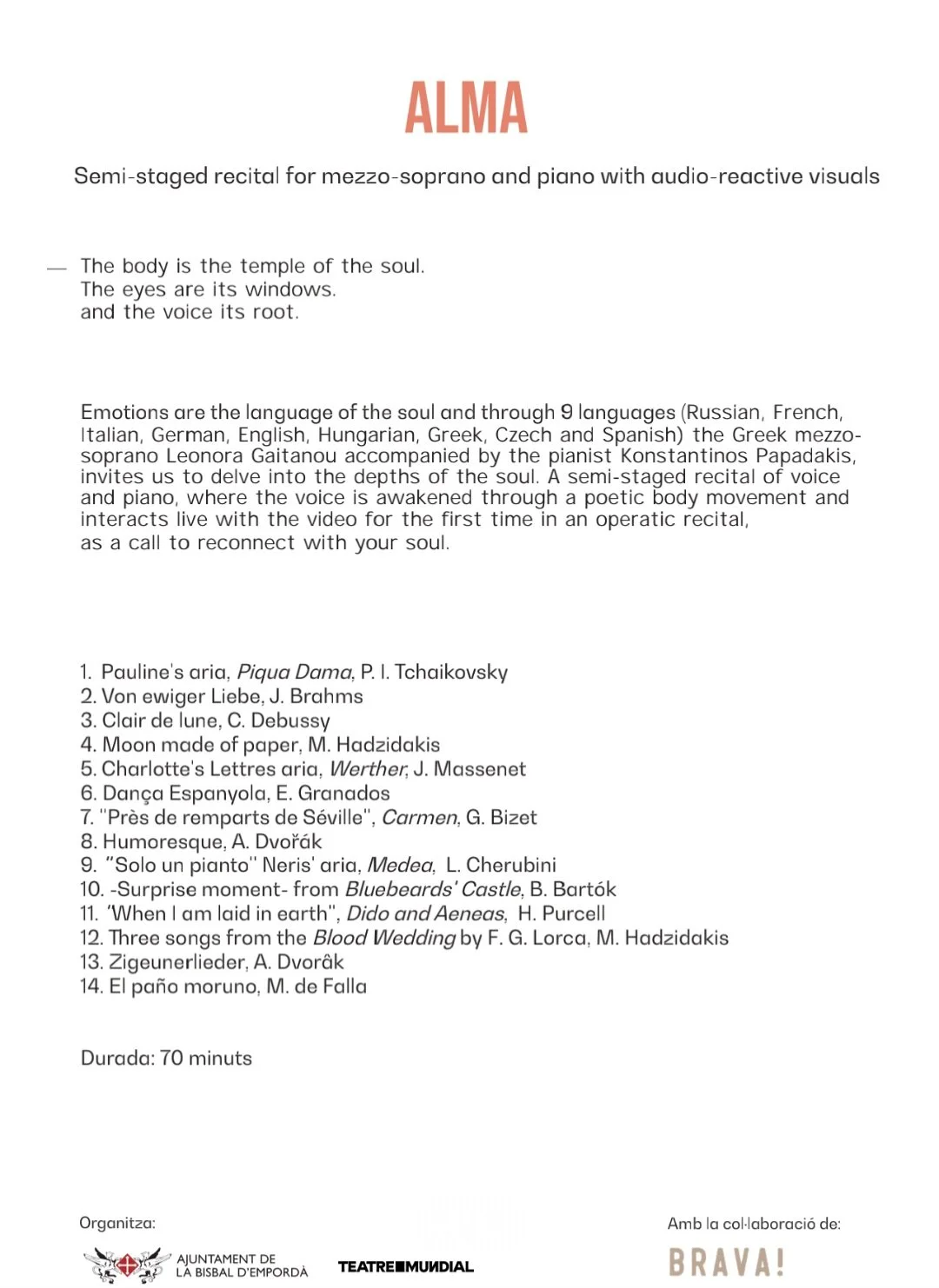
The programme unfolds across nine languages—Russian, French, Italian, German, English, Hungarian, Greek, Czech and Spanish. Each language carries a different emotional colour, cultural memory and way of experiencing the world.
Performed by Greek mezzo-soprano Leonora Gaitanou, with pianist Konstantinos Papadakis or Riccardo Bovino, the recital brings together arias, songs and solo piano works as expressions of one timeless traveller: the soul.
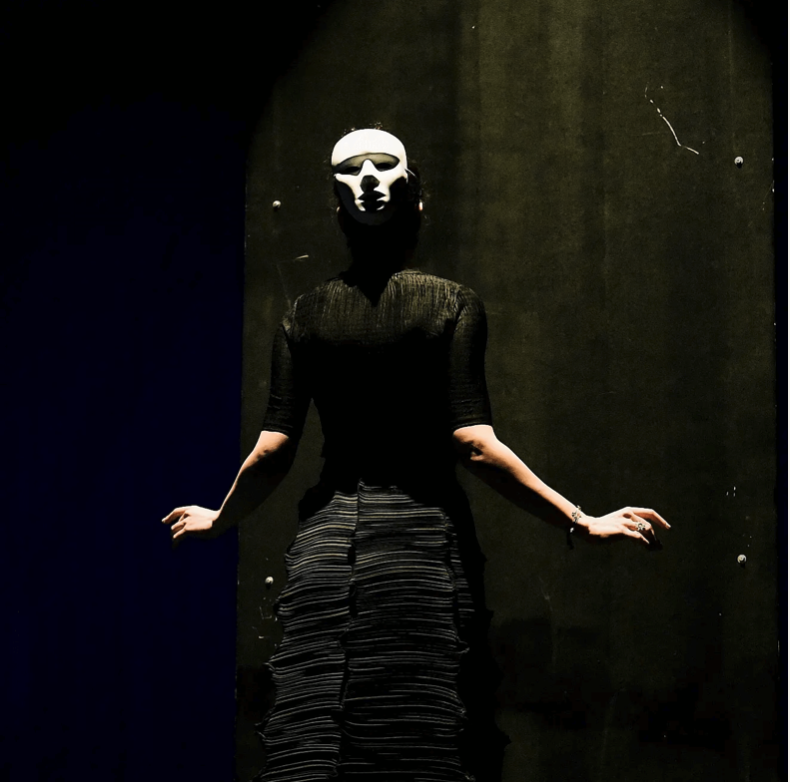
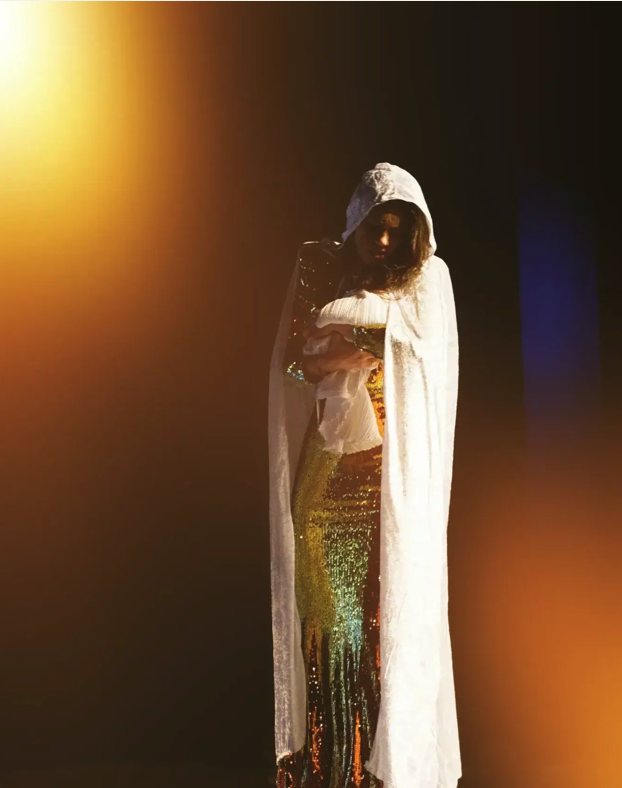
Within the symbolic vision of the work, each operatic role becomes another incarnation—another body, story and emotional landscape. Just as a performer changes costume and enters a different character, the soul moves through different identities and forms while something essential remains unchanged.
Each aria becomes a different life.
Each language becomes another landscape.
Each emotion reveals another aspect of the journey.
Meaning is carried not only through words, but through breath, resonance, gesture, silence and presence. The audience is invited to experience emotions that reach beyond the boundaries of language and belong to our shared humanity.
The Body, the Voice and the Video
In Alma, the voice does not exist separately from the body.
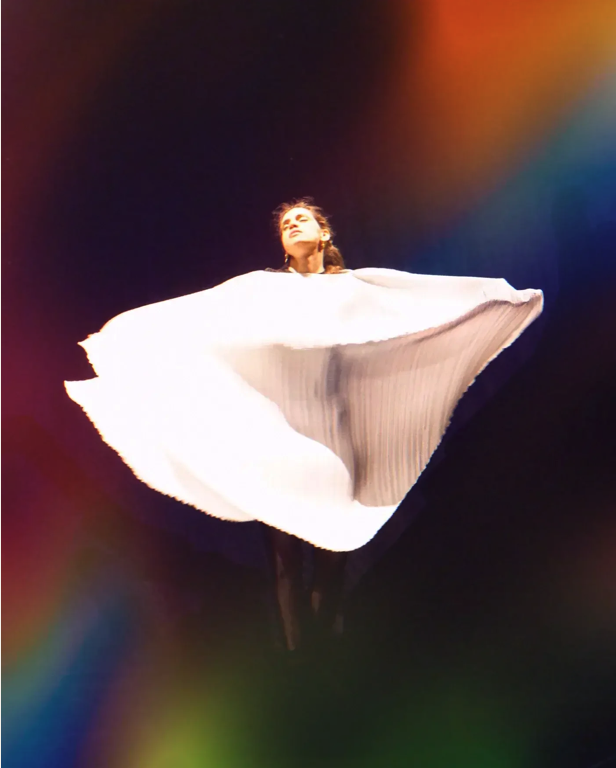
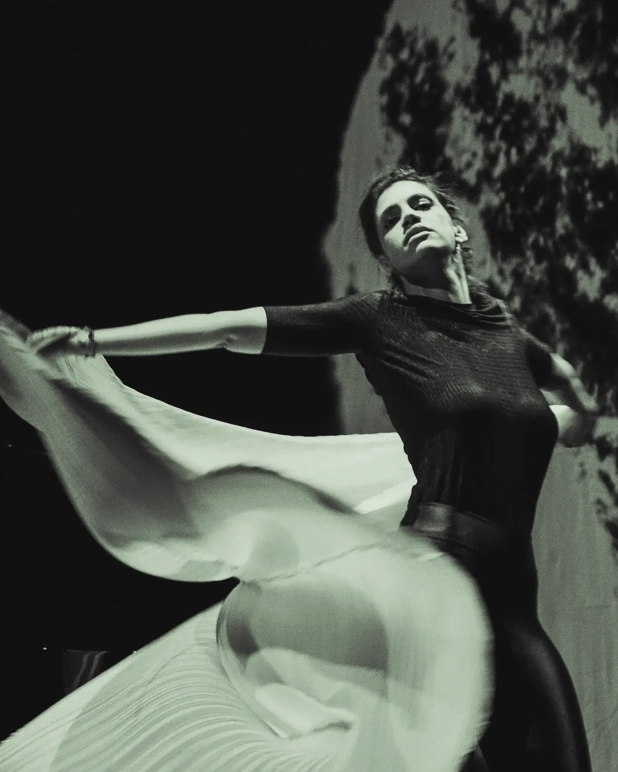
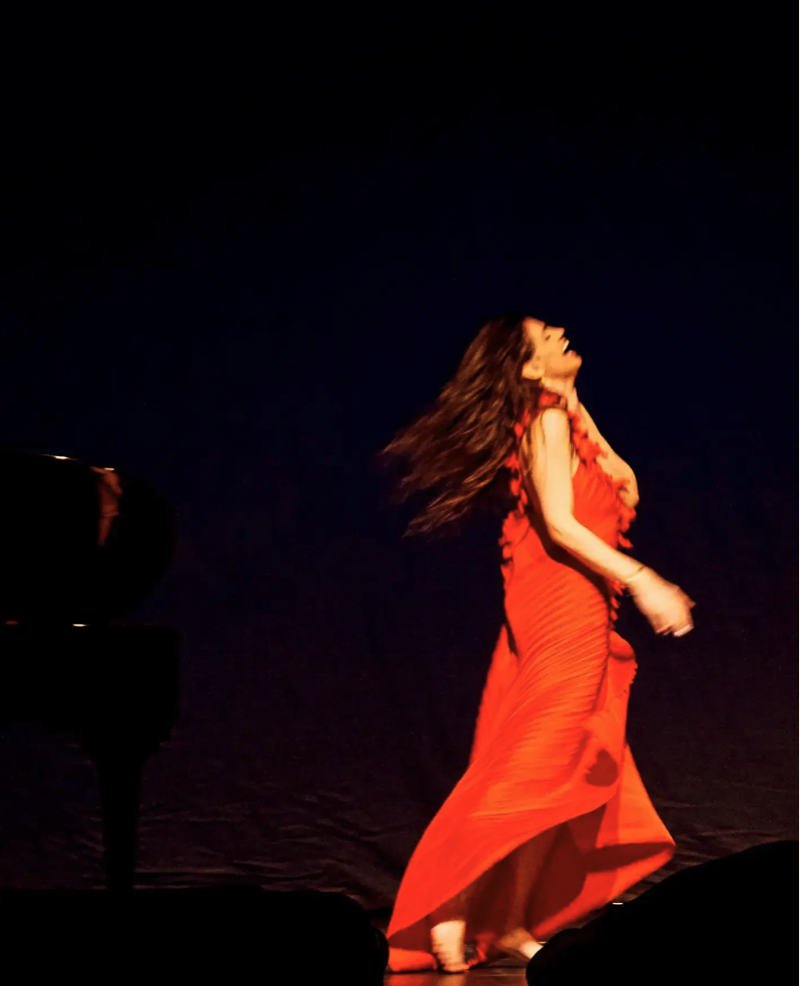
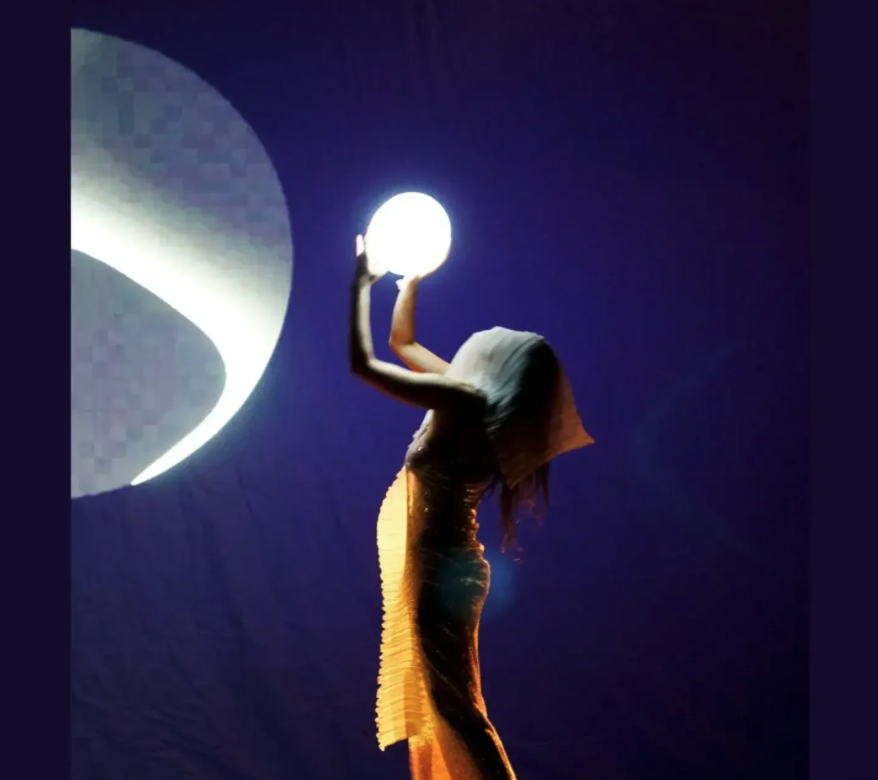
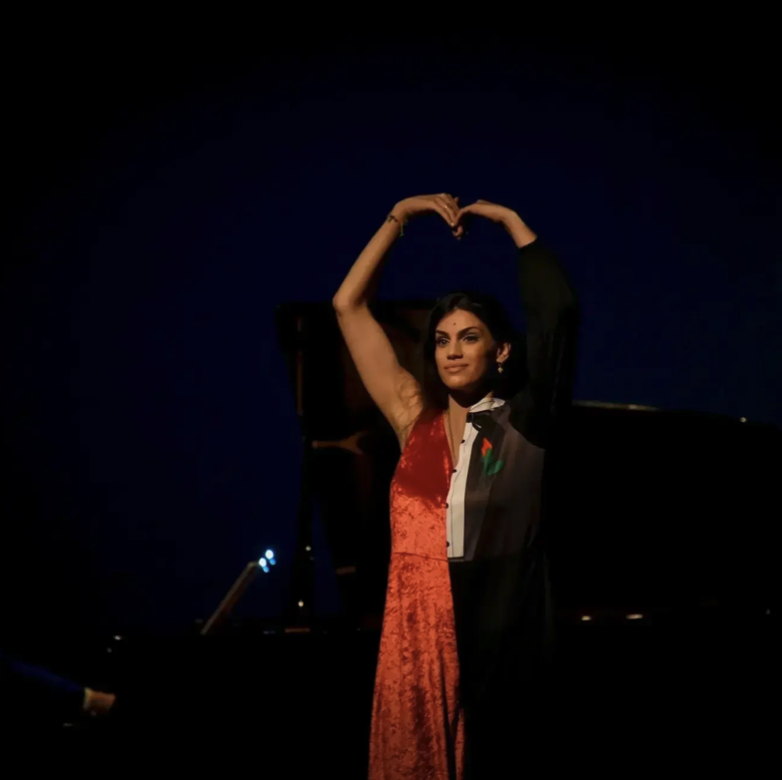
Through poetic movement, the body becomes the visible landscape of what the voice carries within. A gesture may reveal what words cannot express; a breath may become the threshold between one emotional state and another.
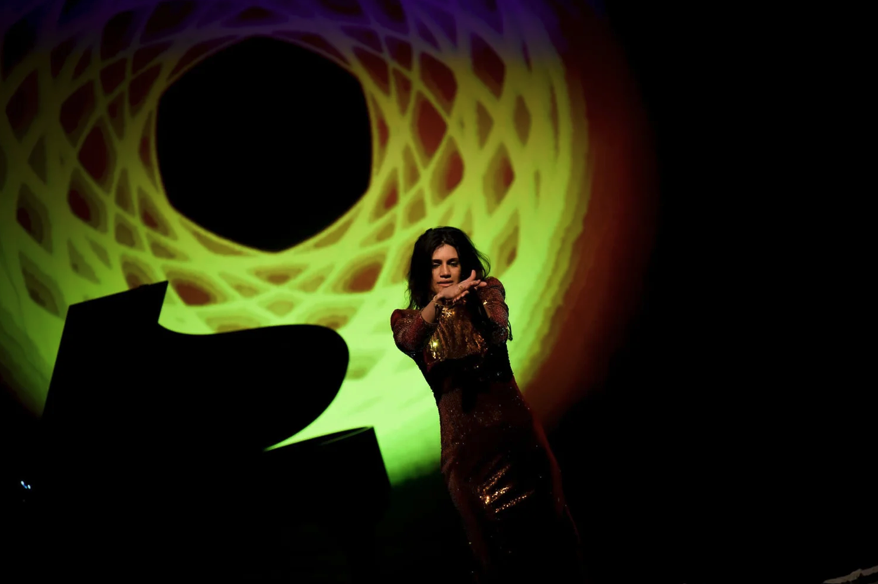
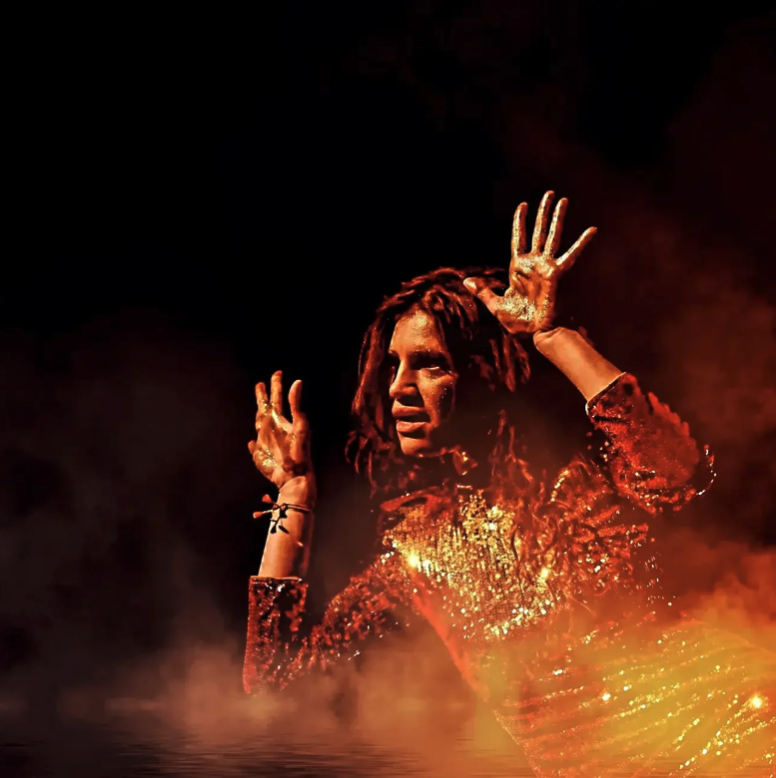
Real-time generative visuals by Piedra Muda Lab respond to the sound and presence of the performance. The projected image does not function merely as scenery. It becomes the visible shadow of the voice—a shifting reflection of memory, emotion and the unseen movement of the soul.
Sound affects image.
Image responds to sound.
The performer and her projected presence enter a continuous, living dialogue. Because the visual environment responds in real time, each performance unfolds differently, shaped by the voice, music and energy of the space.
An Inner Journey
Part of the recital’s dramaturgy is inspired by the seven principal energy centres of the human body.
Selected arias, songs and piano works are connected with qualities that move from grounding, survival and belonging towards personal power, love, expression, inner vision and spiritual connection.
This structure is not presented as a system the audience must intellectually understand. It functions beneath the visible programme as an inner map—guiding the emotional movement from density towards openness and from separation towards connection.
Alma retains the musical intimacy of a classical recital while expanding its language through theatre, movement, light and responsive visual art.
The audience is not asked to follow a fixed or linear narrative. Each person is invited to recognise their own emotions, memories and inner landscapes within the experience.
One listener may connect with the sound of an unfamiliar language.
Another may be moved by a gesture, an image or a moment of silence.
Another may recognise an emotion they have carried without words.
The work does not tell the spectator what to feel. It creates the conditions for a personal encounter between the music and the inner world of the person receiving it.
A Call to Remember
Alma is the Spanish word for “soul.”
The title contains the essence of the work: beneath our identities, languages, roles and experiences lives something deeper that continues to seek connection with its original nature.
The recital does not attempt to define the soul or explain its mysteries. It invites us to listen for its presence.
Who are we beneath the roles we perform?
What remains when language is no longer enough?
Which memories live within the body?
Can the voice guide us back to the essence we have forgotten?
Alma is not a story about the soul.
It is an invitation to listen to it.
Your soul is calling.
Remember.
──────────── • ────────────
Creative Team
Conception, Staging & Mezzo-Soprano
Leonora Gaitanou
Piano
Konstantinos Papadakis or Riccardo Bovino
Real-Time Generative Visuals
Piedra Muda Lab
Lighting
Sergi Cerdán